Rescue Mobilization and Conflicting Sightings
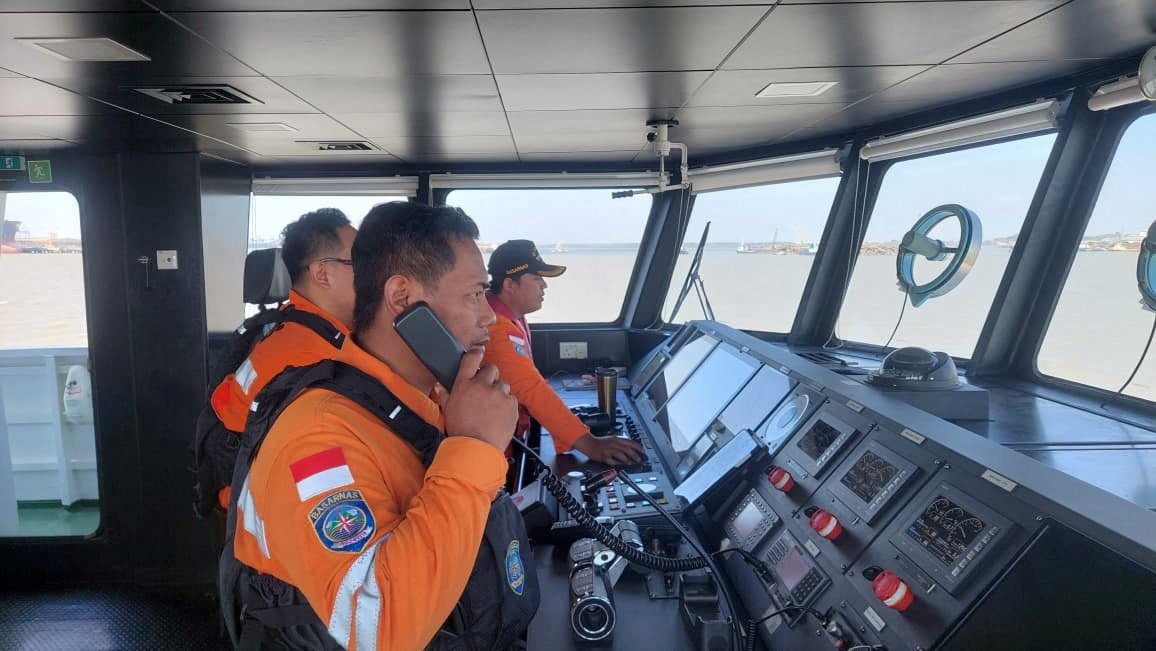
Emergency operations escalated throughout Sunday as authorities deployed 280 personnel, eight specialized craft including four Indonesian navy ships, and two helicopters to sweep the surrounding waters. Before official rescue flotillas could arrive on site, commercial vessels in the vicinity responded directly to distress relays.
Initial survivor extractions relied heavily on civilian shipping: the tanker Aida rescued 49 passengers, while the tugboat Mahau 9 and additional industrial vessels brought dozens of others out of the water. Evacuees were diverted to ports in both South Kalimantan and East Java depending on medical severity. At Trisakti Port in Banjarmasin, emergency officials established temporary casualty reception centers, stationing roughly 30 ambulances and paramedic teams on standby as relatives crowded arrival gates scanning handwritten lists on whiteboards[4].
Early bulletins from regional rescue personnel suggested the ship had gone completely under, but Transportation Minister Dudy Purwagandhi clarified the operational picture during a press briefing in Banjarmasin. Helicopter surveillance confirmed that the ferry had turned upside down rather than immediately plunging to the seabed, remaining partially buoyant with its keel visible above the water[3].
From the information we received from the helicopter, the ferry had overturned, so it had not sunk.
Dudy Purwagandhi, Indonesian Transportation Minister
Minister Purwagandhi cautioned that search divers and aerial teams could not yet confirm whether dozens of unaccounted passengers remained trapped inside air pockets within the inverted hull or had been washed miles away by strong currents.