Nvidia Launches RTX Spark Laptop GPU
Nvidia Enters Windows Laptop Market With RTX Spark Launch, Challenging Apple and x86 Giants
Technology & AIOctober 16, 20263 min read435 words12 sources
Summary
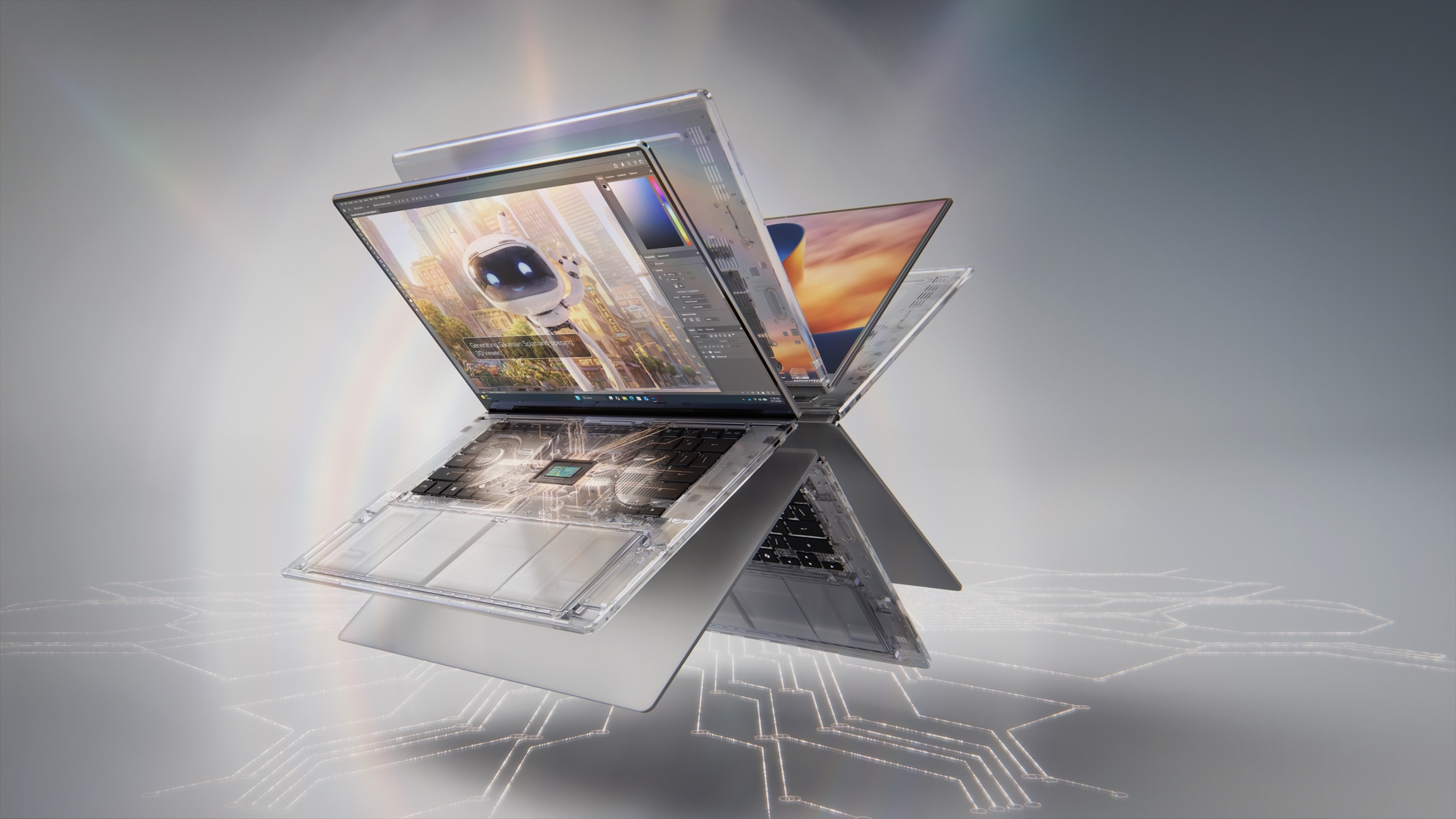
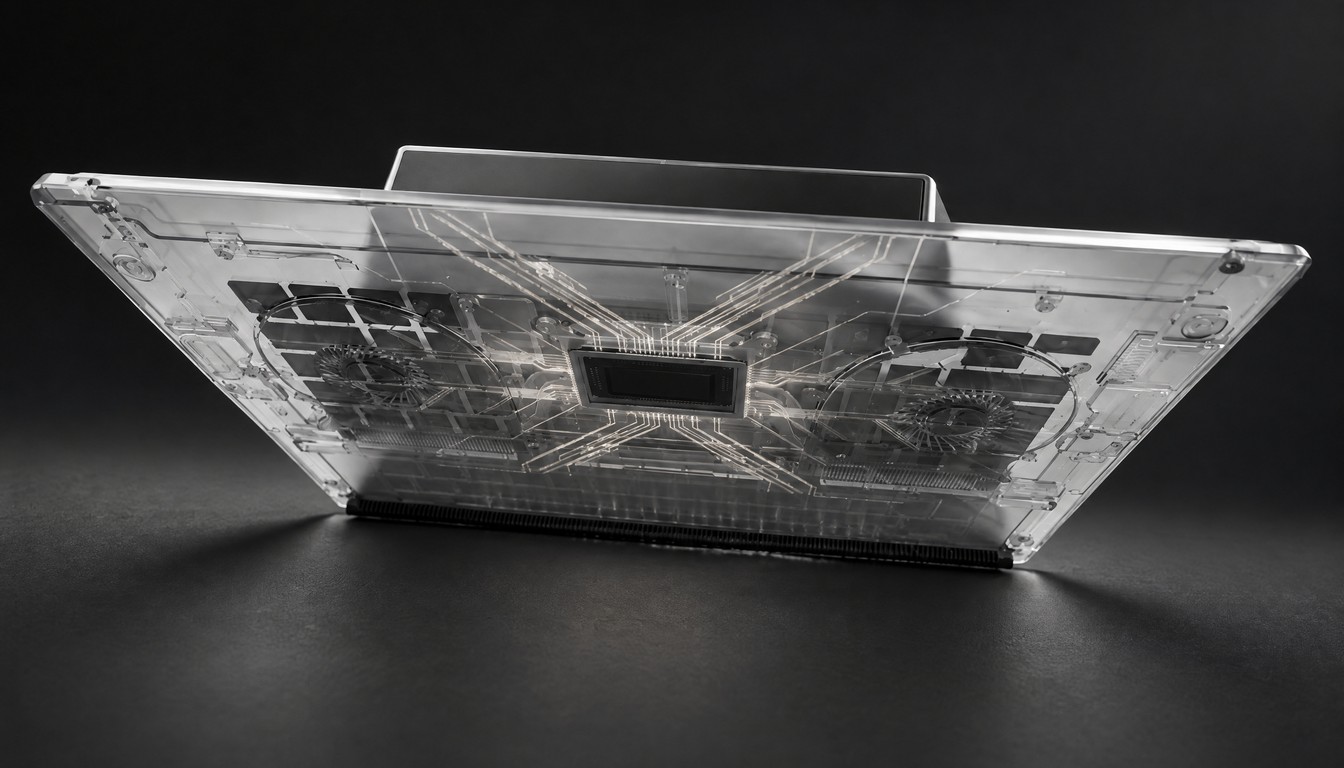
Nvidia has officially launched its RTX Spark laptop processor, a unified system-on-chip combining a Blackwell RTX GPU and a Grace CPU built for Windows on Arm devices. Major manufacturers including ASUS, Microsoft, Lenovo, HP, Dell, and MSI are rolling out initial models starting at $2,599 with up to 128GB of unified memory. Independent reviews show strong local AI and multi-core processing performance, though x86 emulation introduces variables for certain games. Nvidia has officially entered the Windows laptop market, releasing the RTX Spark laptop processor in collaboration with major hardware manufacturers. Devices from ASUS, Microsoft, Lenovo, HP, Dell, and MSI became available to buyers with starting prices beginning at $2,599. Built on an Arm architecture, the launch represents a significant strategic expansion for Nvidia as it brings its discrete graphics and full-stack AI platform directly onto slim, consumer-grade laptop form factors[1]. The timing targets a shifting personal computing market where local artificial intelligence execution, multi-day battery life demands, and heavy creator workflows converge. By packaging its technologies into a single silicon die, Nvidia aims to challenge established x86 architectures from Intel and AMD alongside Apple's dominant M-series silicon. Architecture and Specifications At the center of the hardware rollout is the N1X processor, a system-on-chip fabricated by TSMC on a 3-nanometer process. According to hardware specifications detailed by PCMag, the silicon scales between 45 watts and 80 watts TDP and is split into two distinct tiers: an 18-core CPU version paired with a 5,120-core Blackwell RTX GPU, and a top-tier 20-core CPU configuration paired with a 6,144-core GPU[6]. The platform supports up to 128GB of LPDDR5X unified memory with a memory bandwidth reaching 300 GB/s. Reviewers testing the hardware found that this high memory bandwidth enables local execution of large language models exceeding 35 billion parameters, alongside heavy rendering tasks. Specification Tier CPU Cores Blackwell GPU Cores Max Unified Memory N1X Entry Tier 18 Cores (9 Performance, 9 Efficiency) 5,120 CUDA Cores Up to 32GB / 48GB N1X Top Tier 20 Cores (10 Performance, 10 Efficiency) 6,144 CUDA Cores Up to 128GB Software Optimization and Local AI Ecosystem To populate the ecosystem at launch, Nvidia secured software partnerships across creative tools, development frameworks, and AI runtimes. Adobe announced native support for Photoshop and Premiere Pro tuned specifically for the RTX Spark platform, promising up to 2x faster performance on accelerated tasks[4]. Local agentic workflows are a core focus of the platform's positioning. Applications like LM Studio, Hermes, and Model Context Protocol integrations run directly on the hardware utilizing Nvidia's unified memory pool. Thurrott noted in its coverage that tools like GitHub Copilot, OpenClaw, and Nvidia's own PAIR (Personal AI Router) are optimized out of the box to support hybrid intelligence workloads bridging local silicon and cloud infrastructure. Performance and Real-World Reception Early benchmarks published by independent technical outlets indicate competitive performance metrics, though practical results vary by workload. Notebookcheck reported that the multi-core CPU capabilities lead x86 Windows competitors like AMD's Strix Halo and Intel's Panther Lake, while trading blows with Apple's M5 series silicon. Synthetic graphics benchmarks show the Blackwell GPU matching high-wattage mobile RTX 50-series counterparts in ray tracing tasks[8]. Gaming performance presents a nuanced picture due to the transition to Windows on Arm. While native Arm titles execute smoothly with strong frame pacing, titles relying on x86 emulation require DLSS and multi-frame generation to hit optimal frame rates. Writing for Tom's Hardware, analysts emphasized that while local AI execution and multi-threaded tasks excel, consumers must weigh application compatibility carefully. The fact that NVIDIA, Microsoft and their partners have delivered such a capable, compatible and polished platform even in its first at-bat should put the rest of the PC industry on notice.Tom's Hardware