Legal Ambiguity and European Hurdles
Despite the enthusiastic reception in Strasbourg, the proposal faces formidable diplomatic and institutional obstacles. The European Union treaties contain no formal definition or mechanism for an associate member status. Any structural creation of this rank would necessitate unanimous approval from all 27 EU member states, a bar that has stalled similar ambitions in the past.
| Dimension |
Existing Framework (CETA) |
Proposed Associate Framework |
| Legal Basis |
Bilateral free trade treaty (provisionally applied) |
Undefined in EU founding treaties; requires unanimous approval[7] |
| Defense Cooperation |
Ad hoc coordination via NATO |
Formal integration of defense manufacturing and industrial base |
| Mobility of Persons |
Standard national visa requirements |
Proposed reciprocal rights to live and work without visas |
| Strategic Focus |
Tariff elimination on commercial goods[13] |
Critical minerals, Arctic sovereignty, and AI alignment |
European capitals have previously bristled at creating tiered membership models. Reuters reported that when German Chancellor Friedrich Merz floated associate status earlier this year as an interim milestone for Ukraine, the plan drew friction from member capitals worried about diluting the union's core treaties and met resistance in Kyiv. Following von der Leyen's speech, one European diplomat told Reuters that nobody really knows what the proposal means in practical terms, cautioning that the European Commission chief risks overpromising policies that member states cannot unanimously deliver[8].
Unresolved bilateral trade disputes also complicate swift integration. Although CETA has provisionally eliminated 99 percent of customs tariffs since 2017, ten European member states—including France, Italy, and Poland—have yet to fully ratify the agreement in their national parliaments, according to the Financial Times. Domestic critics within Canada have additionally questioned whether closer regulatory ties might subject Canadian exporters to burdensome carbon border taxes and stringent European directives.
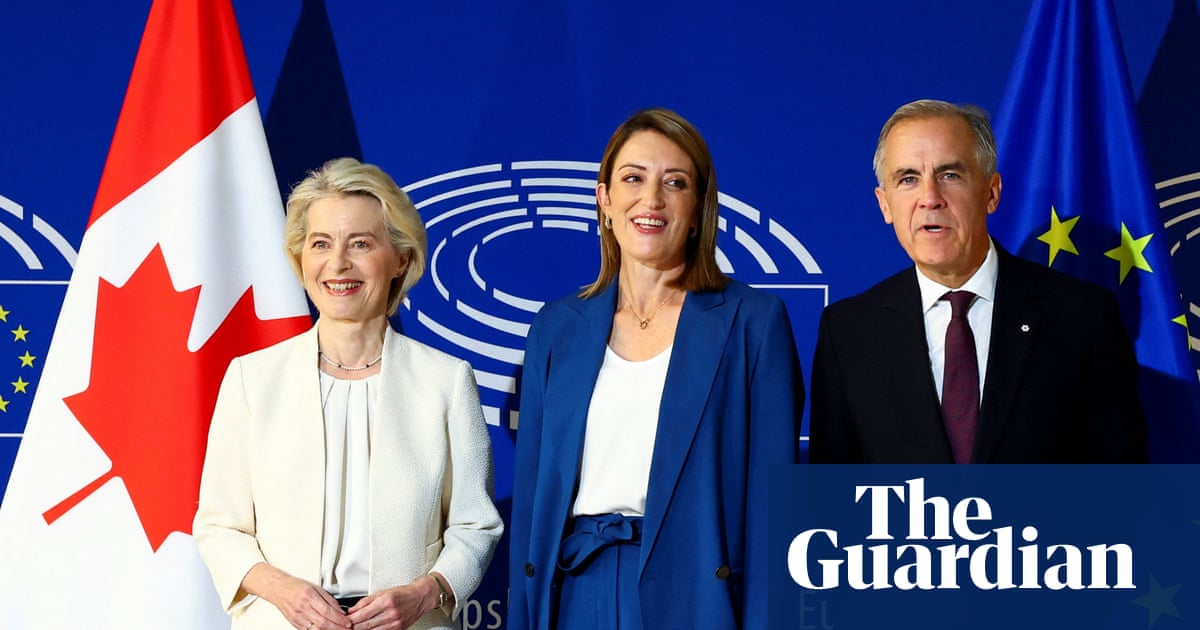
Carney is scheduled to address the European Parliament on Thursday morning to outline his vision of the transatlantic alliance directly to European deputies, ahead of a planned EU-Canada bilateral summit in late October where both sides will attempt to turn symbolic enthusiasm into formal policy.