Teleoperator Involvement in Robotaxi Incidents
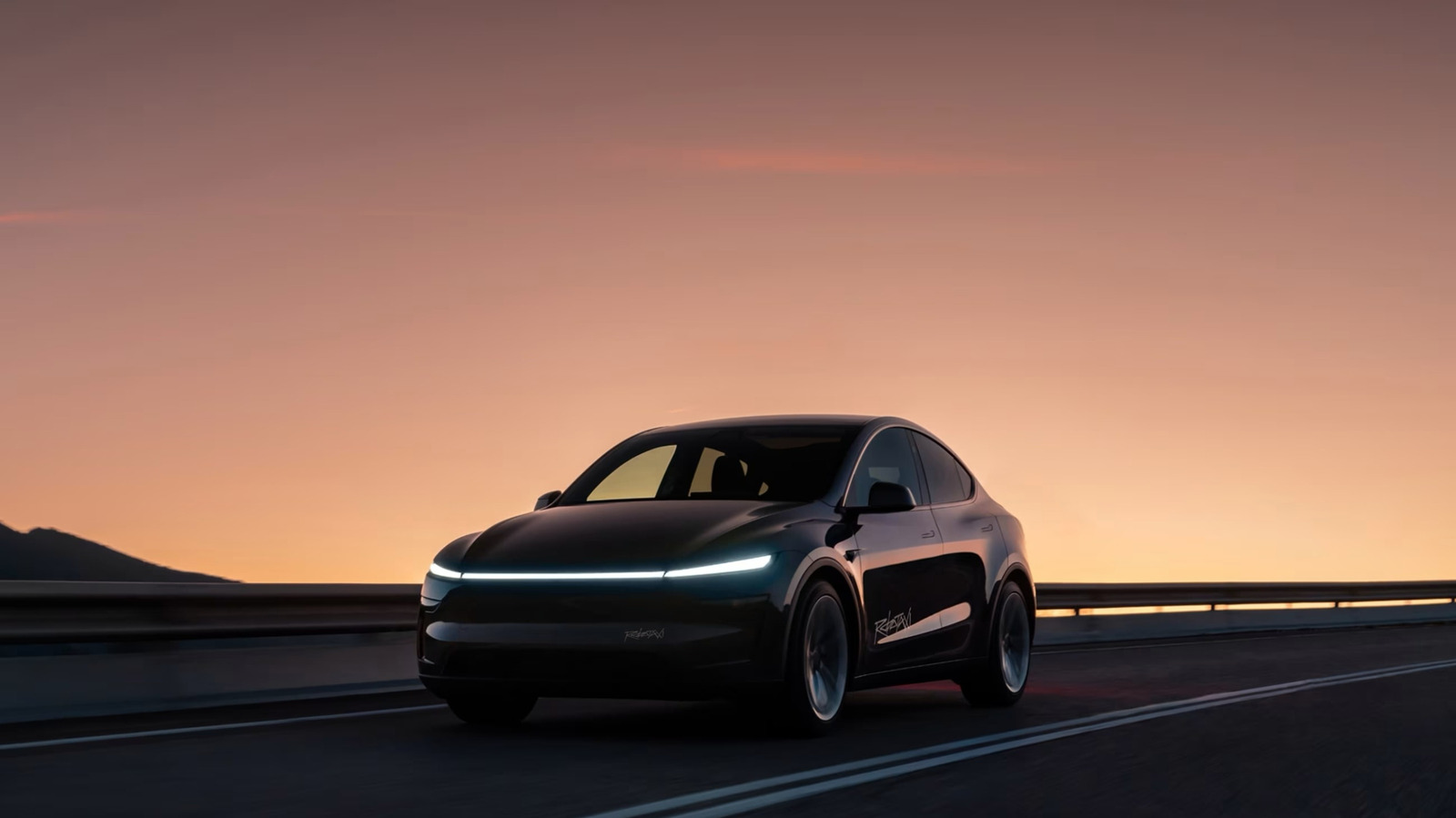
Newly unredacted crash reports from the U.S. National Highway Traffic Safety Administration (NHTSA) have revealed that at least two Tesla Robotaxi crashes in Austin, Texas, involved human teleoperators actively controlling the vehicles from off-site. These incidents mark the first confirmed cases where Tesla's remote-driving safety backstop, intended to assist in complex situations, became a source of error. Both crashes resulted in property damage but no injuries to passengers, as no passengers were onboard at the time.
One incident in July 2025 saw a teleoperator steer a Model Y into a metal fence at 8 mph after the autonomous driving system failed to proceed. This particular crash also resulted in one minor injury requiring hospitalization, according to the dataset. A second incident in January 2026 involved a teleoperator-driven Robotaxi colliding with a temporary construction barricade at approximately 9 mph during a low-speed maneuver. These events occurred in Austin, where Tesla launched its robotaxi service in June 2025.
The Nuance of Human-Autonomous Handoffs
The involvement of teleoperators in these crashes raises critical questions about the effectiveness of human intervention in autonomous vehicle systems. While the autonomous driving system stopping and deferring to a teleoperator is the intended design, these incidents demonstrate that the human operator must still execute correctly, and the handoff itself can be a "risk surface." Tesla had previously informed lawmakers that remote operators could control vehicles traveling below 10 miles per hour to quickly move them out of difficult situations.
Unlike other autonomous driving services where remote workers typically consult with the driving software, Tesla's system allows remote operators to directly drive the cars. The newly public data from the NHTSA filings, which Tesla had initially redacted, provides a more transparent look into the operational and safety challenges the company faces. Safety advocates are now calling for more detailed logs, human-factors reviews, and latency measurements for these incidents to better understand the broader system-level risk profile.
Broader Safety Context of Tesla Robotaxis
These teleoperator-involved crashes add to an already scrutinized safety record for Tesla's robotaxi program. Federal regulators have documented 17 total robotaxi-related incidents in Austin between July 2025 and March 2026. While many of these incidents were minor contact events or rear-endings caused by other human drivers, a significant number also revealed limitations of Tesla's autonomous system itself. For instance, the autonomous driving system has been noted for issues with spatial awareness, such as driving into a metal chain or clipping a dump trailer's hitch.
Analysts using Tesla's own mileage data have estimated that the robotaxi fleet crashes roughly four times more often than the average human driver over the same distance. This data comes as Tesla prepares to remove human safety monitors from its robotaxi fleet entirely, a move that has already seen some unsupervised vehicles integrated into the Austin fleet on a limited basis since January 2026. The ability to scale Tesla's robotaxi rollout to additional U.S. cities hinges on proving to federal regulators that the entire operational chain, including both onboard autonomy and human teleoperation, can meet or exceed human-driven safety thresholds.
