A Legacy Codified Amid Diplomatic Uncertainty
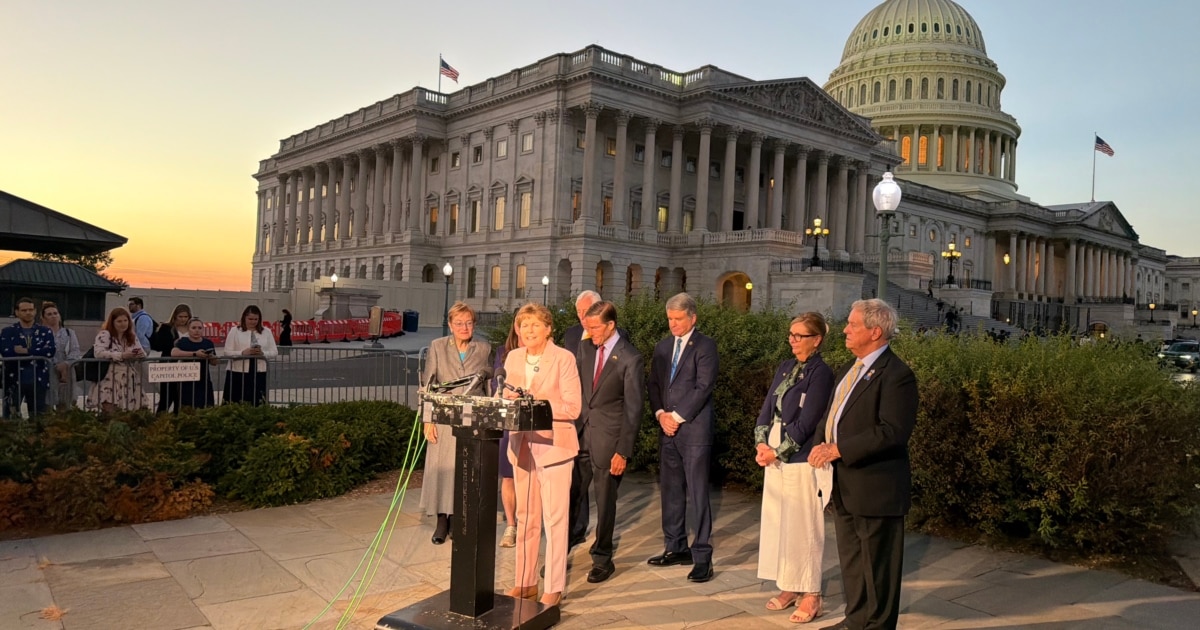
House Foreign Affairs Committee Chairman Emeritus Michael McCaul, a Texas Republican who championed the legislation alongside former Democratic Majority Leader Steny Hoyer of Maryland, framed the vote as a pivotal moral turning point. During a bicameral press conference after the vote, McCaul hailed the legislation as the definitive realization of Graham's strategic vision[3].
This bill will cripple Russia's war machine and finally bring Putin to the negotiating table. It will ensure America's adversaries, not only Russia, but also China and Iran, suffer for their coordinated campaign of aggression.
Rep. Michael McCaul, Chairman Emeritus of the House Foreign Affairs Committee
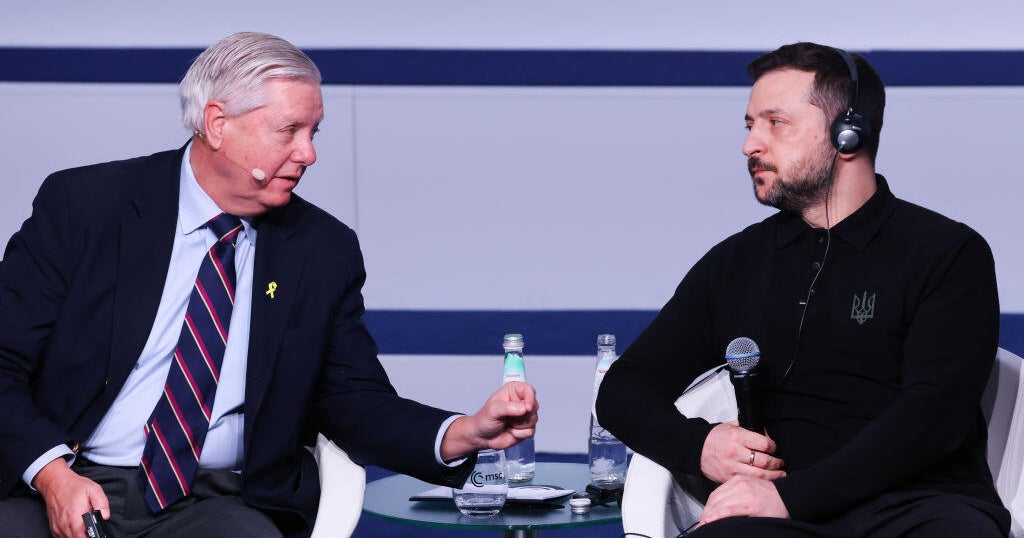
The push to clear the legislation gained decisive momentum following Graham's passing, shortly after his return from a high-stakes trip to Kyiv where he brokered White House alignment. His sister, Senator Darline Graham, who was appointed to fill his Senate seat, celebrated the House vote on social media as a foundational step toward ending hostilities in Eastern Europe. Senator Katie Britt, an Alabama Republican who helped shepherd the companion bill through the Senate, told reporters that the legislation equips the presidency with indispensable negotiating leverage[6].
Yet foreign policy analysts at the Atlantic Council emphasize that the ultimate impact of the Graham Act depends entirely on executive implementation. While the White House announced that presidential advisers will recommend signing the bill into law, the statutory framework creates diplomatic minefields. The executive branch possesses the latitude to either utilize the 100 percent tariff threshold as an aggressive hammer against commercial giants like Beijing and New Delhi, or employ statutory national interest waivers to dilute the penalties during delicate peace negotiations. Under the text of the statute, sanctions can only be permanently lifted if the president certifies that Moscow has concluded an internationally recognized peace pact accepted by a sovereign, independent Ukrainian government.