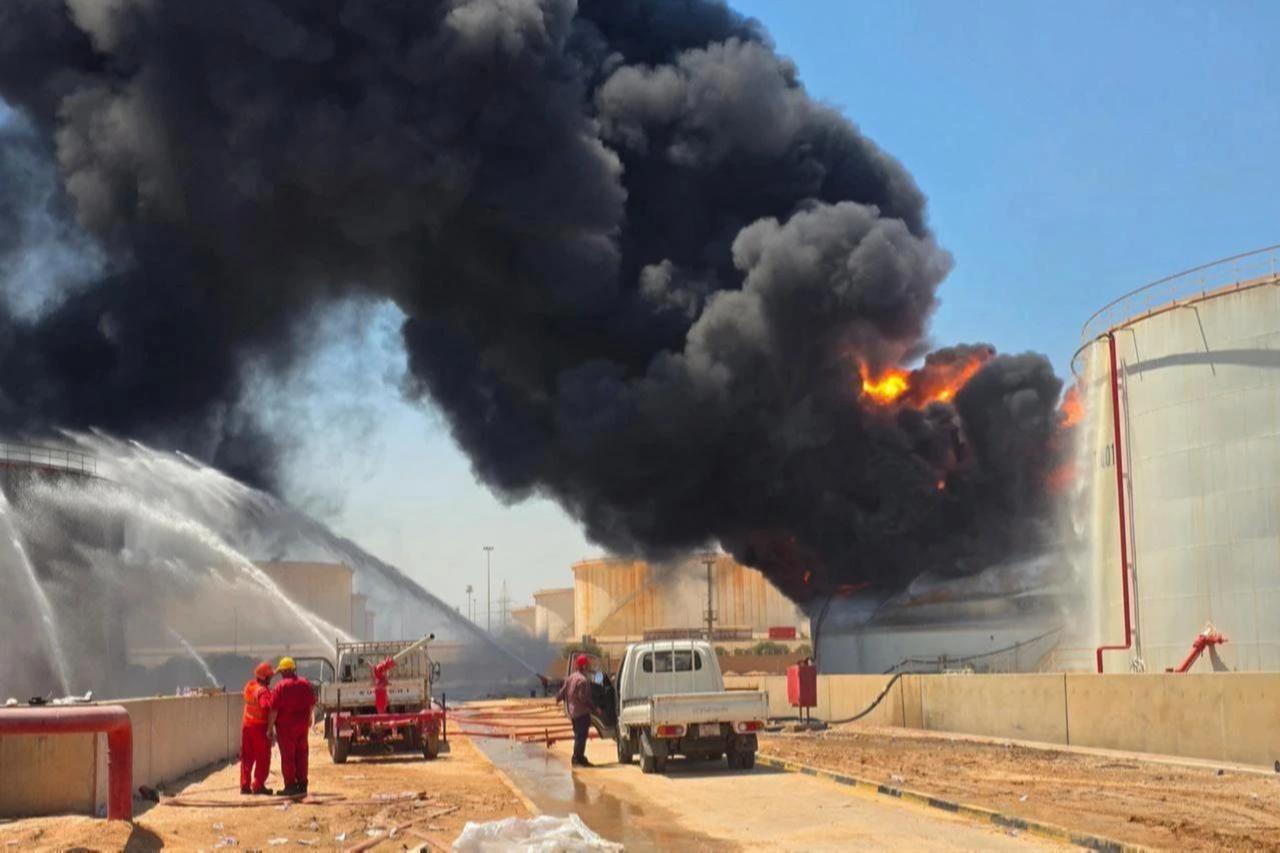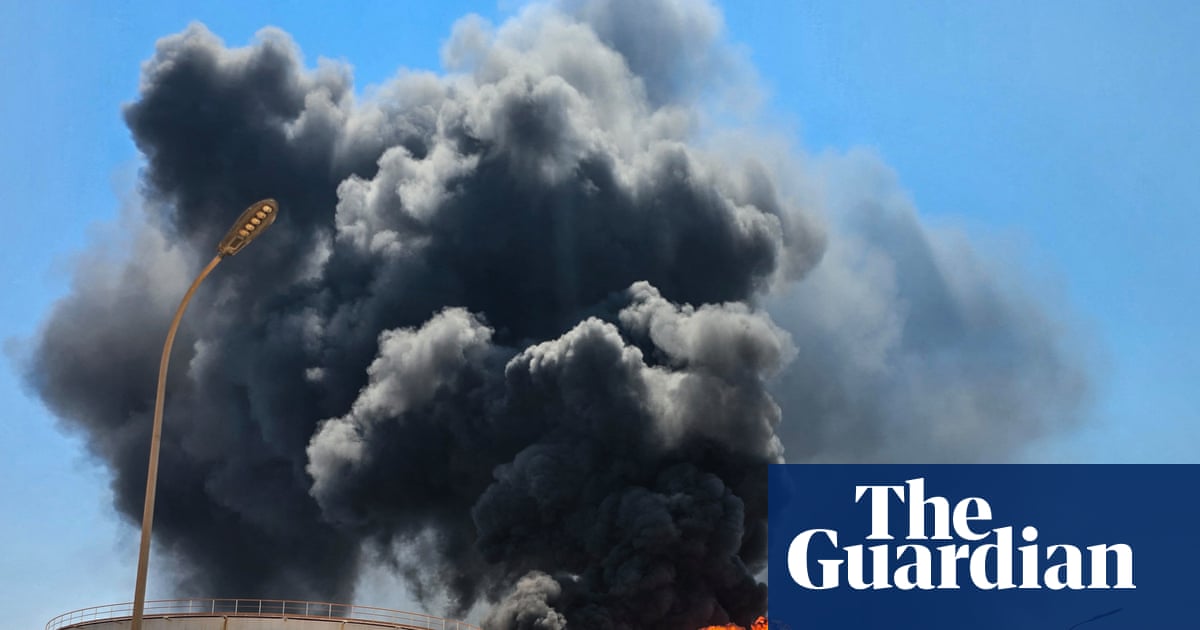
An ambitious, United States backed diplomatic initiative to unify Libya's bifurcated government and security apparatus has stalled following allegations that eastern military commander Saddam Haftar directed a covert drone campaign against western energy infrastructure. Officials within the Tripoli-based Government of National Unity (GNU) revealed that ongoing political cooperation with the eastern leadership has broken down after an intelligence investigation tied recent explosive attacks on fuel storage facilities and power generation plants directly to operatives under his supervision[1].
The disruption halts what had been the most tangible rapprochement in years between the rival factions that have partitioned the North African nation since the 2011 overthrow of Muammar Gaddafi. The fallout exposes the fragile foundations of external peace mediation in Libya, where critical energy assets frequently serve as both battlefield targets and instruments of political coercion[1].