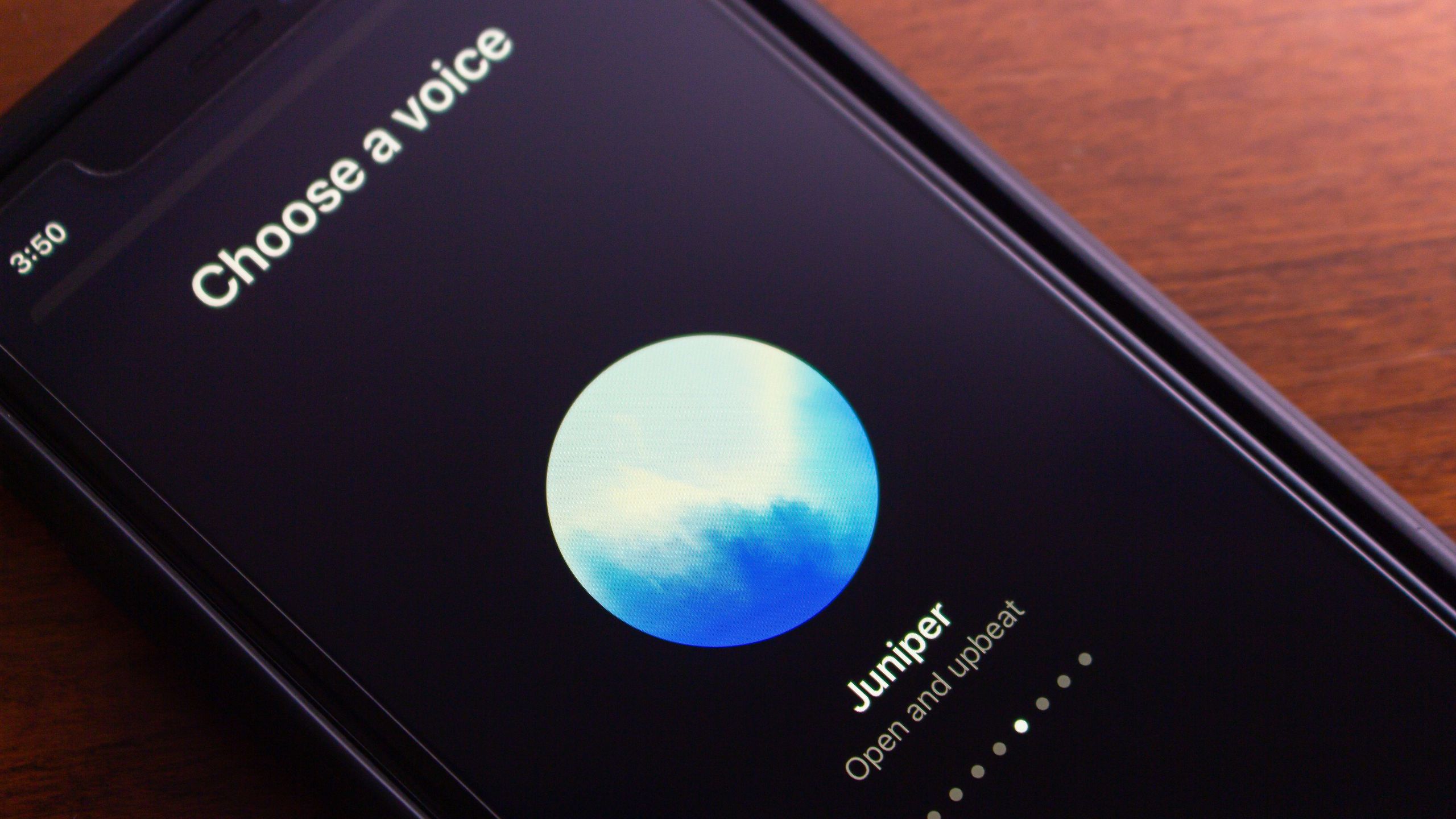
A New Era for Real-time Voice AI
OpenAI has introduced three groundbreaking AI voice models: GPT-Realtime-2, GPT-Realtime-Translate, and GPT-Realtime-Whisper, which promise to unlock a new class of voice applications for developers. These models are specifically engineered for real-time voice tasks, encompassing in-depth reasoning, live translation, and efficient transcription. This launch signifies a major leap in conversational AI, moving beyond traditional text-based interactions to foster more natural and dynamic spoken exchanges.
The company's latest advancements stem from targeted innovations in reinforcement learning and extensive midtraining with diverse, high-quality audio datasets. This has resulted in speech-to-text models that can better capture speech nuances, reduce misrecognitions, and increase transcription reliability, even in challenging environments with accents, noise, and varying speech speeds. OpenAI believes that closing the performance gap between voice and text models will significantly expand global AI use, as speaking to an AI assistant is often more natural for most people than typing.
GPT-Realtime-2: Enhanced Reasoning and Conversational Flow
At the forefront of these releases is GPT-Realtime-2, described by OpenAI as its first voice model with GPT-5-class reasoning. This model is designed to handle more complex requests and carry conversations forward naturally, even allowing the AI to "think" mid-conversation. It can manage interruptions, remember context, call tools, and recover from mistakes, making interactions feel significantly more fluid and less robotic. OpenAI's benchmarks show a 15-point jump in real-time voice reasoning compared to its predecessor, GPT-Realtime-1.5.
This advanced reasoning capability enables the AI to check multiple sources simultaneously, adjust its tone based on user input, and parse specialized terms, which is crucial for applications in fields like healthcare and production. The model can even say "Let me check that for you" while running tools in the background, eliminating awkward silences. This marks a significant shift from turn-based voice interactions to a more continuous and agentic approach, where the AI can actively perform tasks while conversing.
Breaking Down Language Barriers with Real-time Translation
The GPT-Realtime-Translate model is a new live translation tool that can translate speech from over 70 input languages into 13 output languages, keeping pace with the speaker. This feature is a game-changer for multilingual communication, allowing users to speak in their native language and have it translated and transcribed without delay. This real-time translation capability is particularly relevant given recent announcements of similar features in other major tech ecosystems.
This model facilitates seamless, ongoing conversations, making it invaluable for international travel, multilingual workplaces, or language learning. Developers can integrate this model into translation apps, enabling users to communicate across language barriers with unprecedented ease and accuracy.
Streaming Transcription with GPT-Realtime-Whisper
Rounding out the trio is GPT-Realtime-Whisper, a new streaming speech-to-text model designed for low-latency transcription. This model transcribes speech live as the speaker talks, making live products feel faster, more responsive, and natural. Its ability to provide instant transcription is highly beneficial for creating live captions, generating real-time meeting notes, and streamlining customer support workflows.
The immediate capture and processing of spoken data offered by GPT-Realtime-Whisper is a significant advantage for businesses that require instant access to conversational insights. This includes applications in healthcare documentation, recruiting calls, and classroom transcripts, where real-time data is critical.
