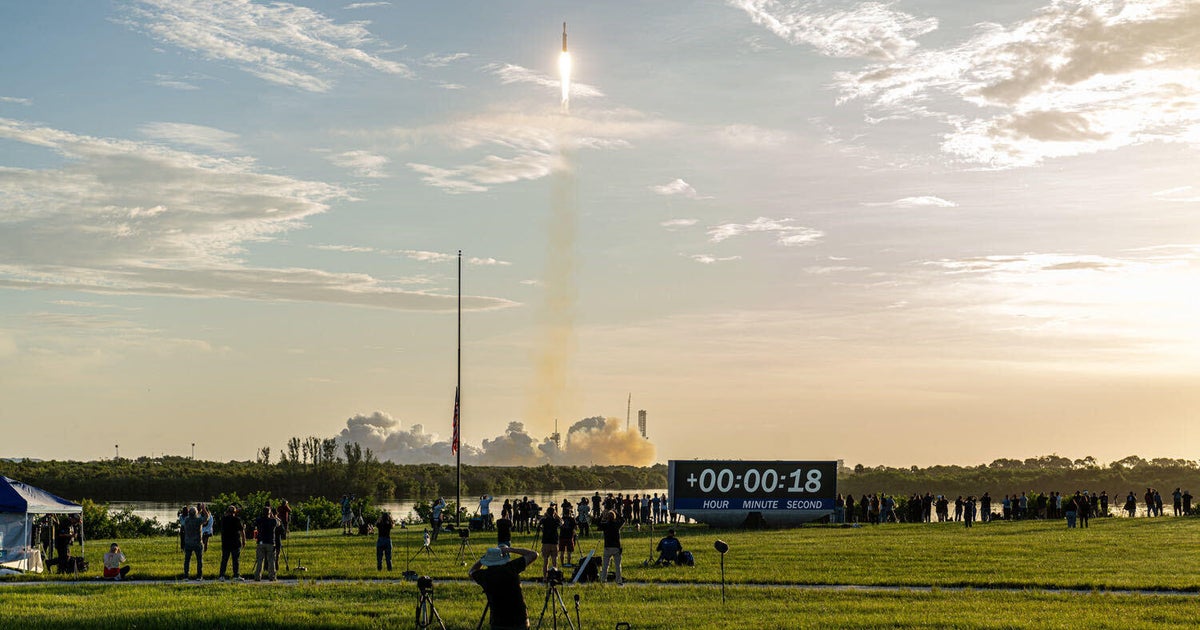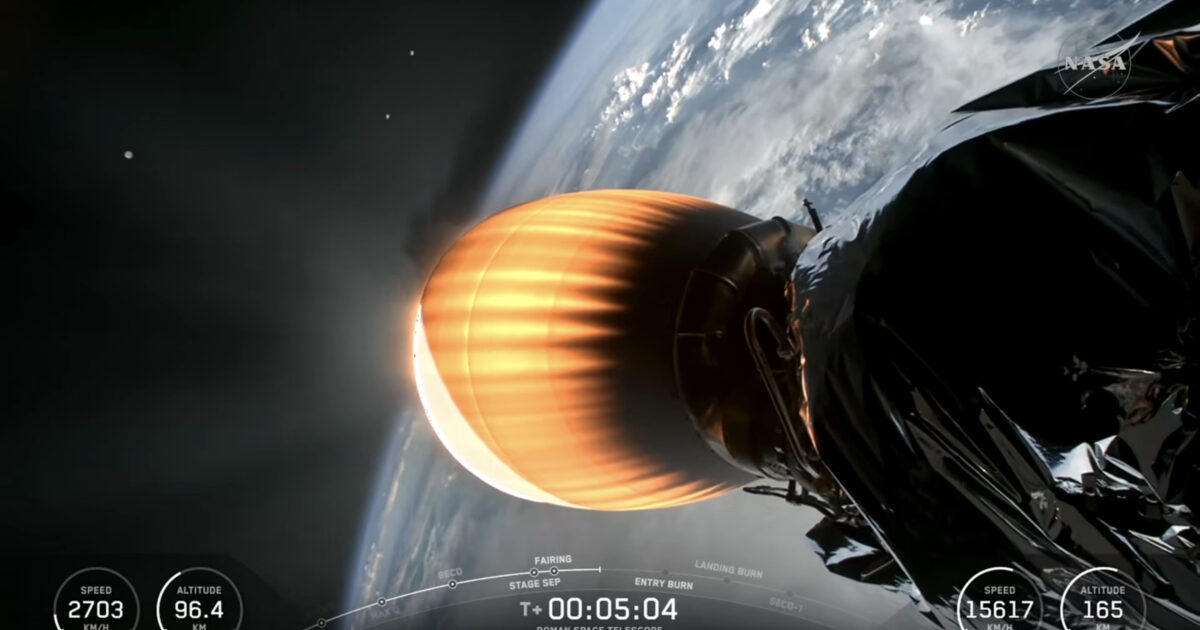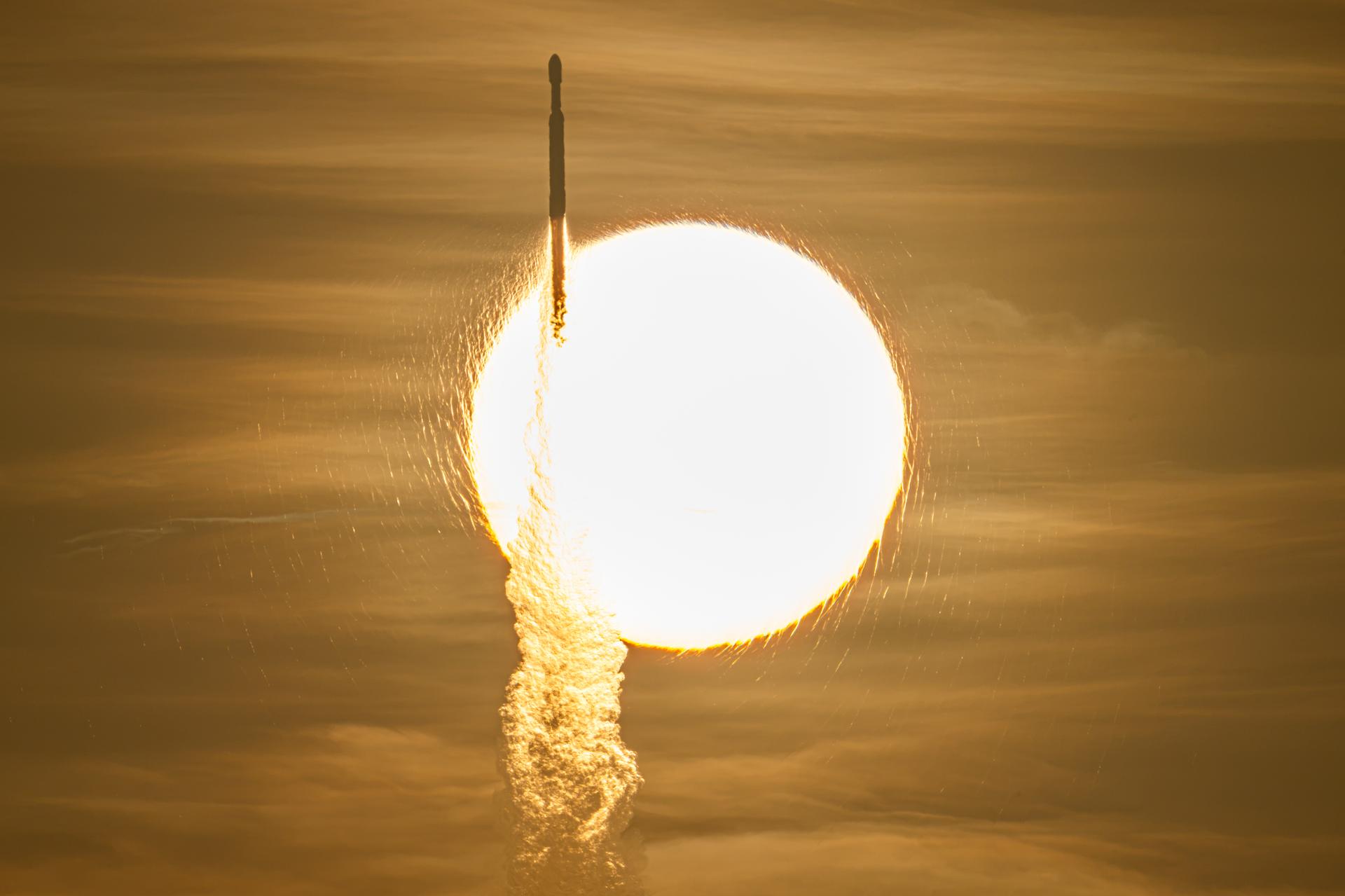
NASA successfully launched the Nancy Grace Roman Space Telescope on Sunday, sending its next flagship astrophysics observatory into orbit on an ambitious mission to map the deep universe and investigate its most elusive cosmic forces. The 18,000-pound spacecraft lifted off at 7:26 a.m. EDT from Launch Complex 39A at Kennedy Space Center in Florida aboard a SpaceX Falcon Heavy rocket, beginning a three-month voyage to an orbital vantage point roughly one million miles from Earth[1].
The mission represents the space agency's premier wide-field infrared observatory, built to observe the cosmos across vast swaths of space with unprecedented efficiency. By pairing high resolution with a panorama 100 times larger than the primary infrared camera on the Hubble Space Telescope, Roman is engineered to bridge longstanding gaps in cosmological models, tackle the accelerating expansion driven by dark energy, and locate thousands of worlds beyond the solar system.