The local-first note-taking application Obsidian has long faced a persistent tension between absolute data ownership and multi-device convenience. While its core markdown files reside neatly on local disks, keeping those notes synchronized across a Windows desktop, a MacBook, and a mobile phone traditionally required either a major cloud ecosystem or the official Obsidian Sync subscription, which ranges from eight to sixteen dollars per month[1, 2]. For privacy-conscious power users and homelab enthusiasts, that monthly tithe has triggered a mass migration toward local alternatives.
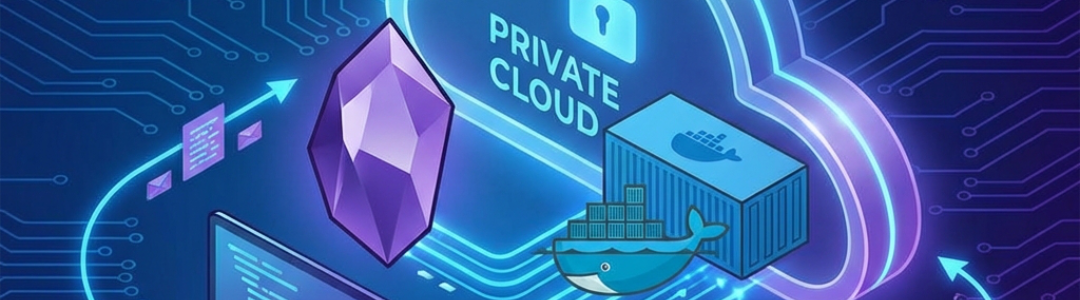
Recent architectural work within the community has turned home hardware into private synchronization hubs. As reported by multiple technical outlets, users are shifting their vaults onto private Network Attached Storage devices and personal servers, ensuring that sensitive personal notes, credentials, and project boards travel exclusively across hardware they physically own. This shift capitalizes on always-on home servers to solve the complex multi-device sync puzzle without recurring vendor fees[5].