Gemini's Ubiquitous Rollout Across the Ecosystem
Google is undertaking a massive expansion of its Gemini AI, embedding the technology across its diverse product portfolio and forging strategic partnerships. On April 24, 2026, AI Overviews in Drive and Ask Gemini in Drive transitioned from beta to widespread availability, allowing users to receive synthesized answers from their documents directly within Google Drive. The company also teased a Gemini-powered Google Home speaker, slated for a Spring 2026 launch at a price point of $99, featuring hardware designed for on-device Gemini processing and a subscription option for Gemini Live.
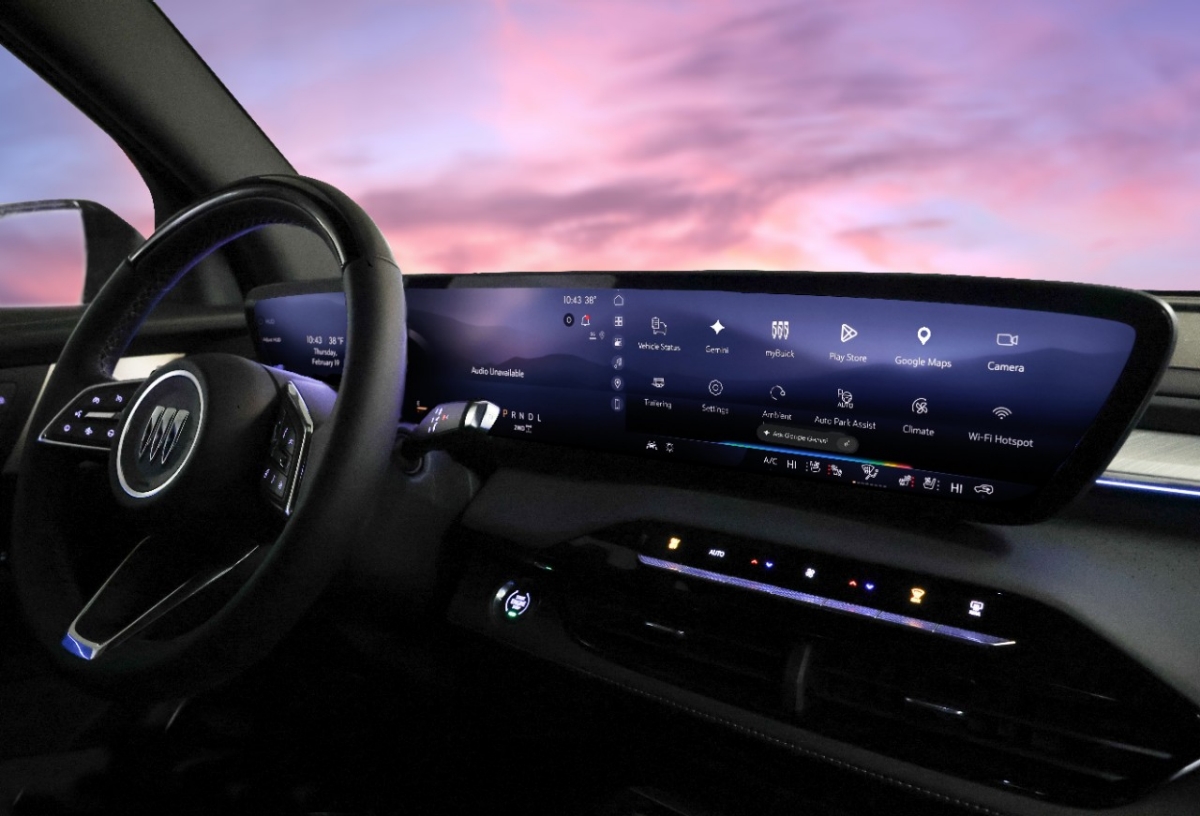
Beyond consumer devices, Google is extending Gemini's reach into enterprise solutions and even the automotive sector. General Motors began rolling out Google Gemini AI to approximately 4 million eligible U.S. vehicles from model year 2022 and newer, upgrading the Google Assistant experience for navigation, messaging, Gmail, and media within these vehicles. This integration positions cars as another node in a broader Gemini expansion that includes Android devices, Wear OS, Google TV, XR headsets, and earbuds. Furthermore, Google Cloud chief Thomas Kurian confirmed a collaboration with Apple to power future Apple Intelligence features, including a more personalized Siri, with Gemini-based foundation models.
Strategic Ad Integration: A Multi-Layered Approach
Google's expansion of Gemini is intrinsically linked to a sophisticated, multi-layered advertising strategy. The company's business chief, Philipp Schindler, views ads as potentially valuable commercial information when properly integrated into AI experiences. While the standalone Gemini app currently does not display traditional advertising, the underlying infrastructure is fully configured and ready, with five distinct advertising modules loading in the background every time the interface opens, though they currently return null responses.
Google's approach to AI advertising encompasses three key areas. The first focuses on leveraging AI models to improve core ad quality predictions, thereby making existing ad placements more effective. The second involves developing AI-powered tools that assist advertisers in generating creative assets and keywords. For instance, Product Studio, part of the revamped Merchant Center Next, uses generative AI to create and enhance product images for advertising campaigns, including text-to-image scene generation and background removal. The third layer involves experimenting with ads in new AI experiences, with AI Mode for Google Search serving as a primary testing ground.
Gemini's Role in Ad Safety and Monetization Evolution
Gemini AI is playing a critical role in enhancing Google's ad safety efforts. In 2025, Google's Gemini-powered systems blocked a staggering 8.3 billion advertisements globally, a 63% year-over-year increase from 5.1 billion blocked ads in 2024. These advanced systems analyze advertisements at massive scale, detecting policy-violating patterns across large campaigns and identifying over 99% of such ads before user exposure. This shift represents a strategic pivot towards stopping individual bad ads with greater precision rather than solely banning accounts.
While direct ad placements in the Gemini app are still under consideration, Google has already integrated ads into AI Overviews for search results and tested them in AI Mode, where users can interact with Gemini within Google Search. AI Overviews now reach over 2 billion users monthly across more than 200 countries and territories, with ads designed to appear above, below, or within the AI Overviews, clearly labeled as sponsored content. Google's SVP Nick Fox indicated that learnings from ads in AI Mode would "likely carry over" to Gemini, which has grown to 750 million monthly active users, doubling its user base in less than a year. This robust growth and the existing monetization of AI-powered search experiences underscore Google's strategic intent to integrate advertising thoughtfully across its expanding AI footprint.
